
 Appventure Games
TravelTech
Gaming
Appventure Games
TravelTech
Gaming
The Secrets
of Barcino
My Journey at Appventure Games
Incubating the Concept
In 2016, I developed the initial concept for a geo-located adventure game during the Lean Startup Creation postgraduate program at Universitat Politècnica de Catalunya (UPC). The program served as an incubator for new ideas, with a strong focus on rapid iteration, customer feedback, and validated learning.
Founding Appventure Games
Once the academic board approved the idea and business plan, I partnered with an experienced writer with a background in marketing and tourism and founded Appventure Games. By the end of the program, we had built an MVP of our first game, The Secrets of Barcino, which I presented to angel investors and industry professionals.
The Lean Startup
After turning down a venture builder’s high-equity accelerator offer to remain independent, I continued leading the project, recruited three co-founders with complementary expertise, and, after almost two years of development and bootstrapping, we released the first commercial version of the game — a milestone achieved without external funding.
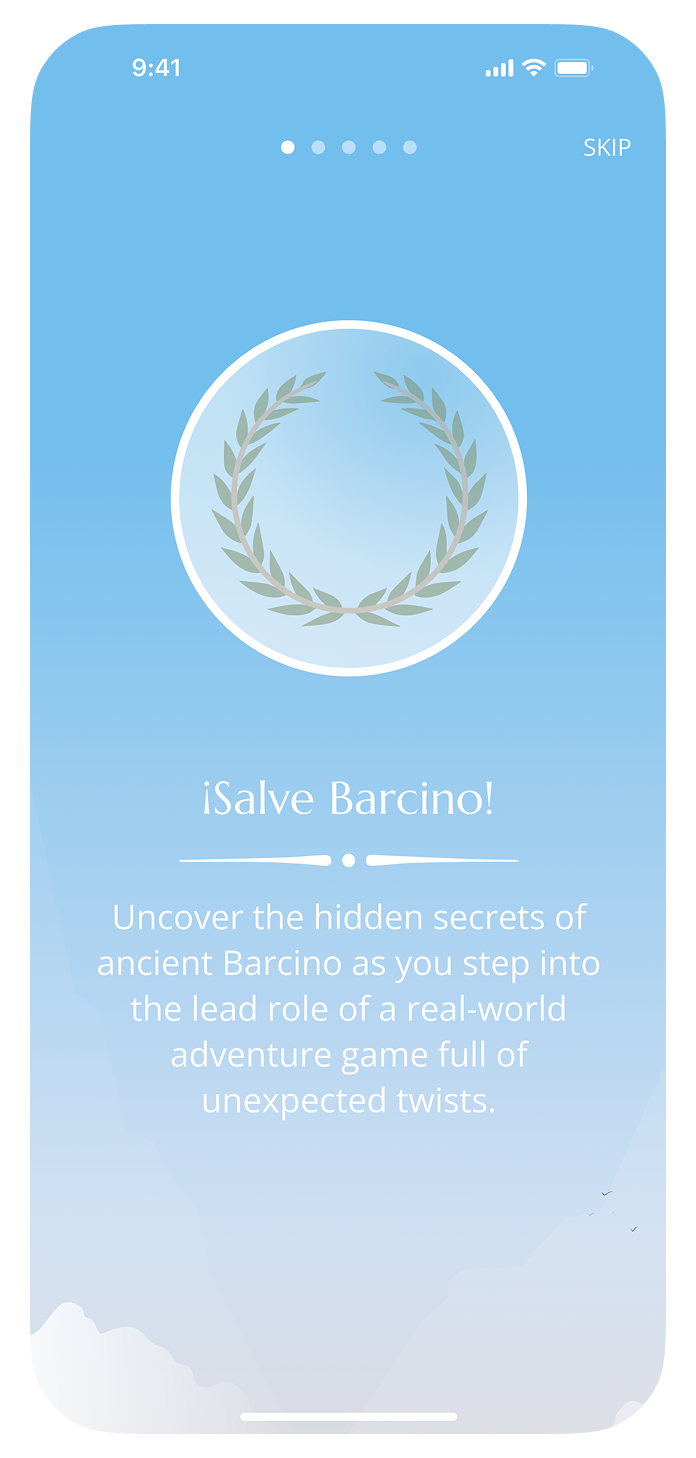
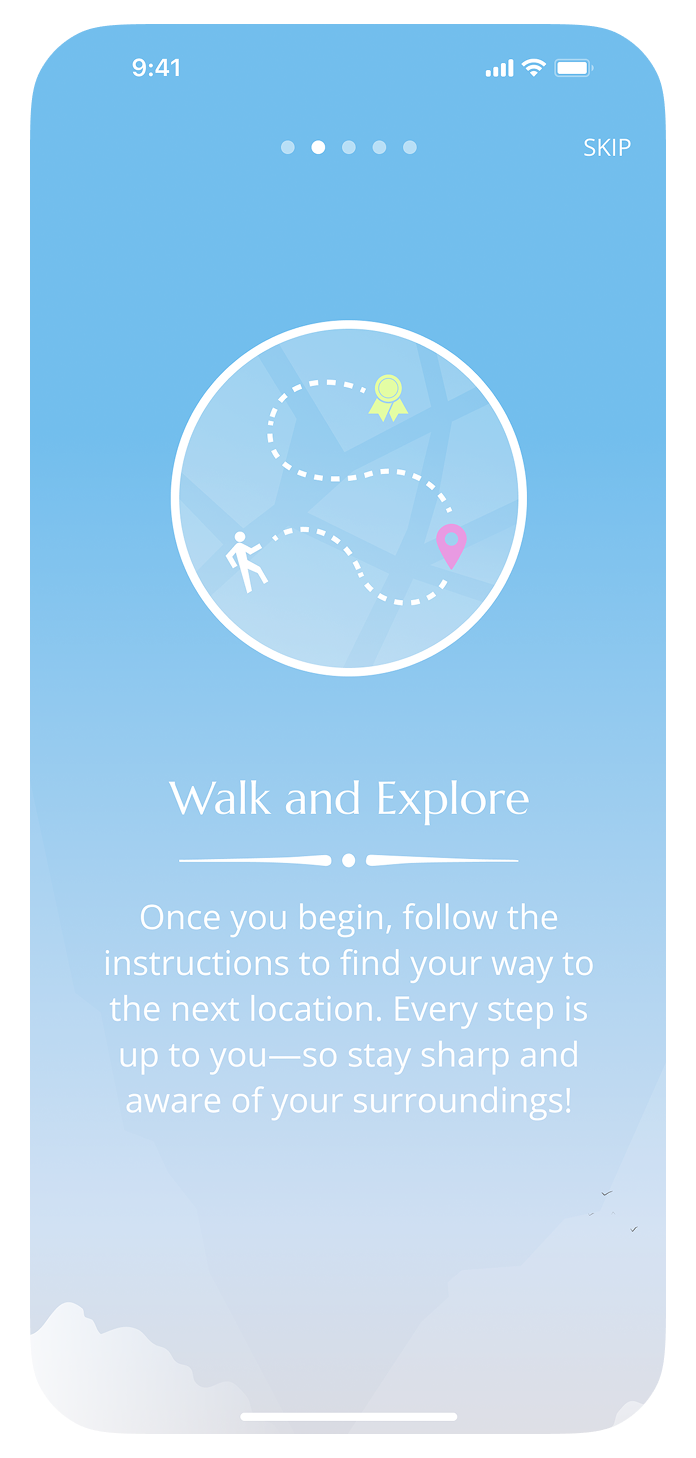

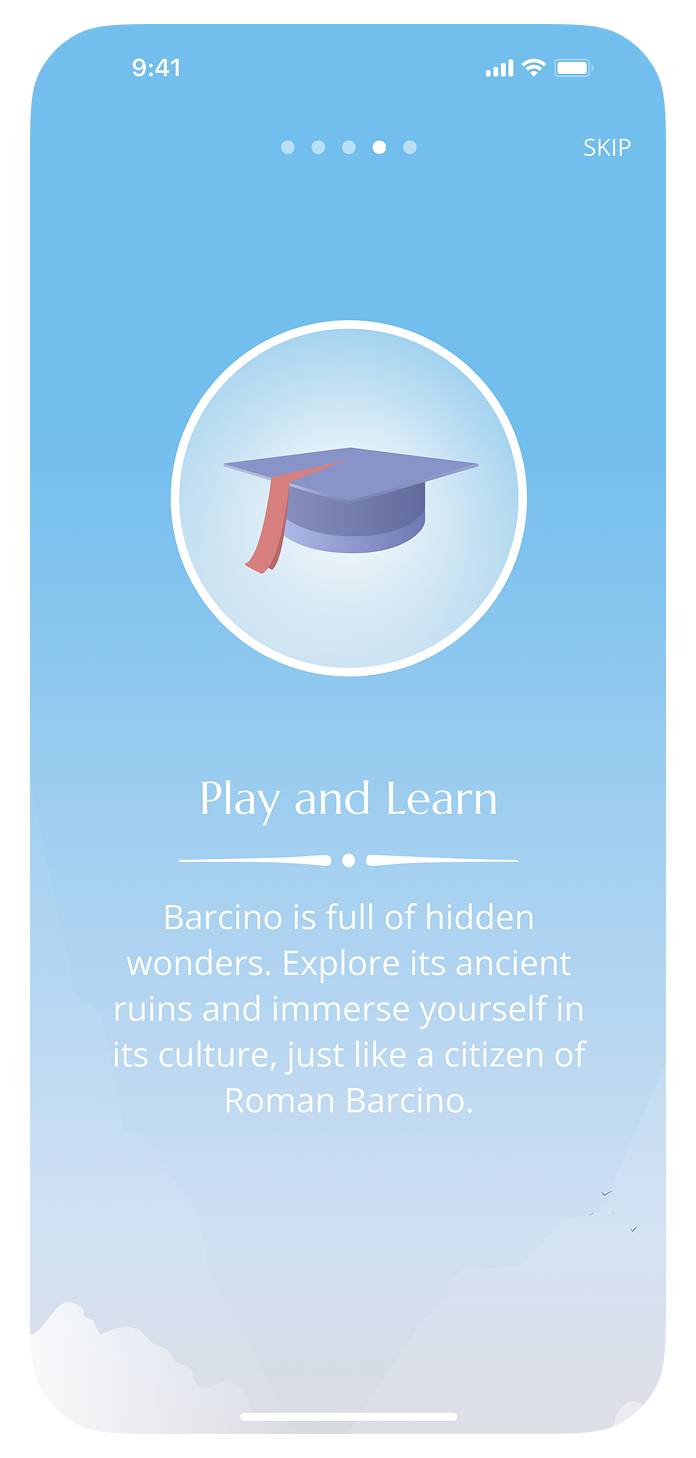

The Secrets of Barcino
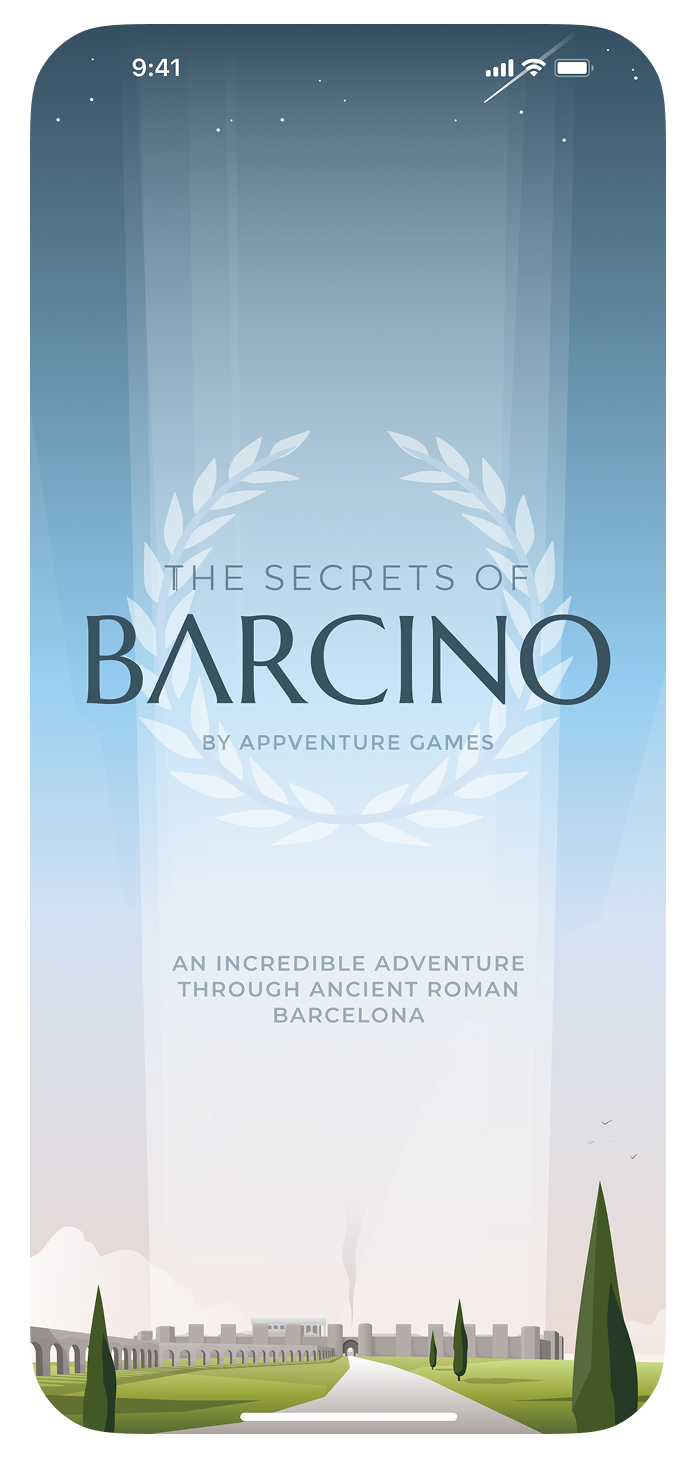
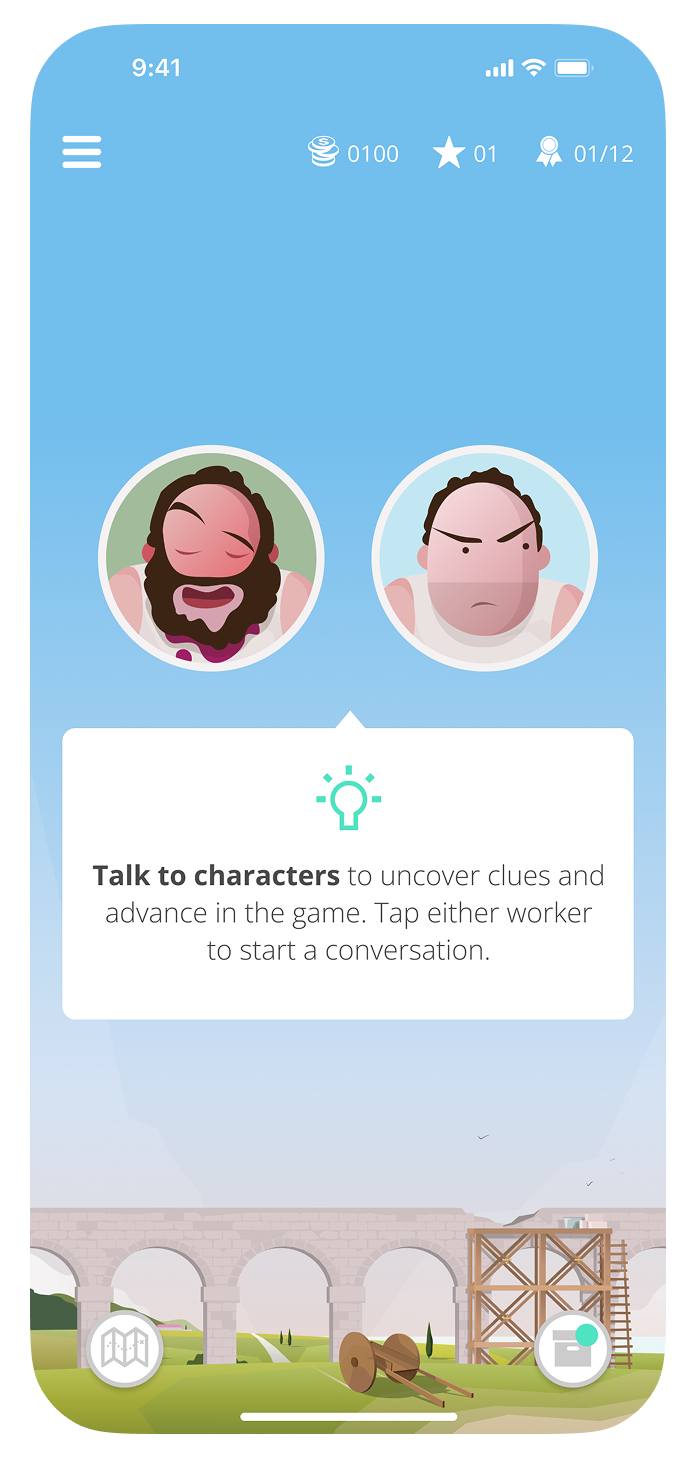
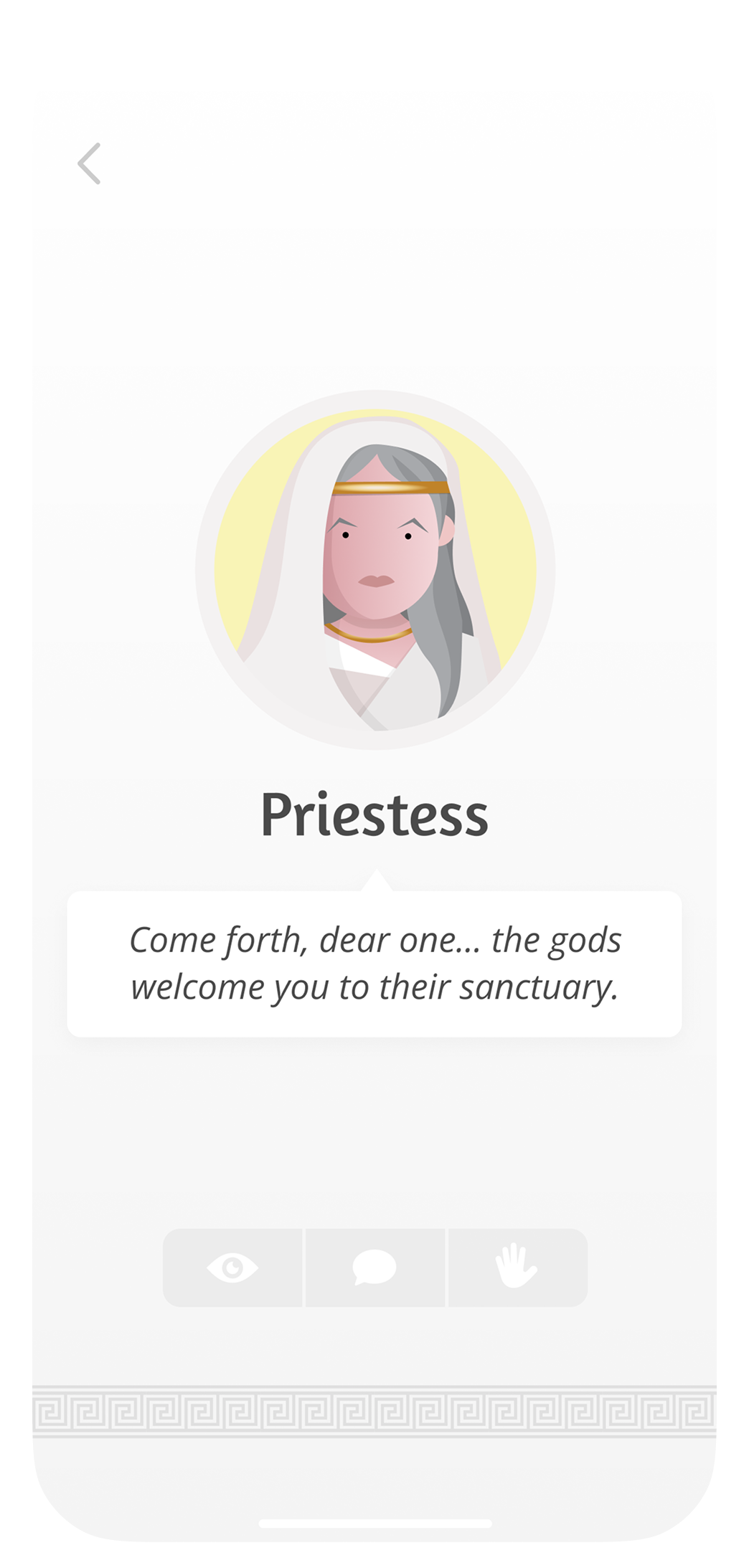
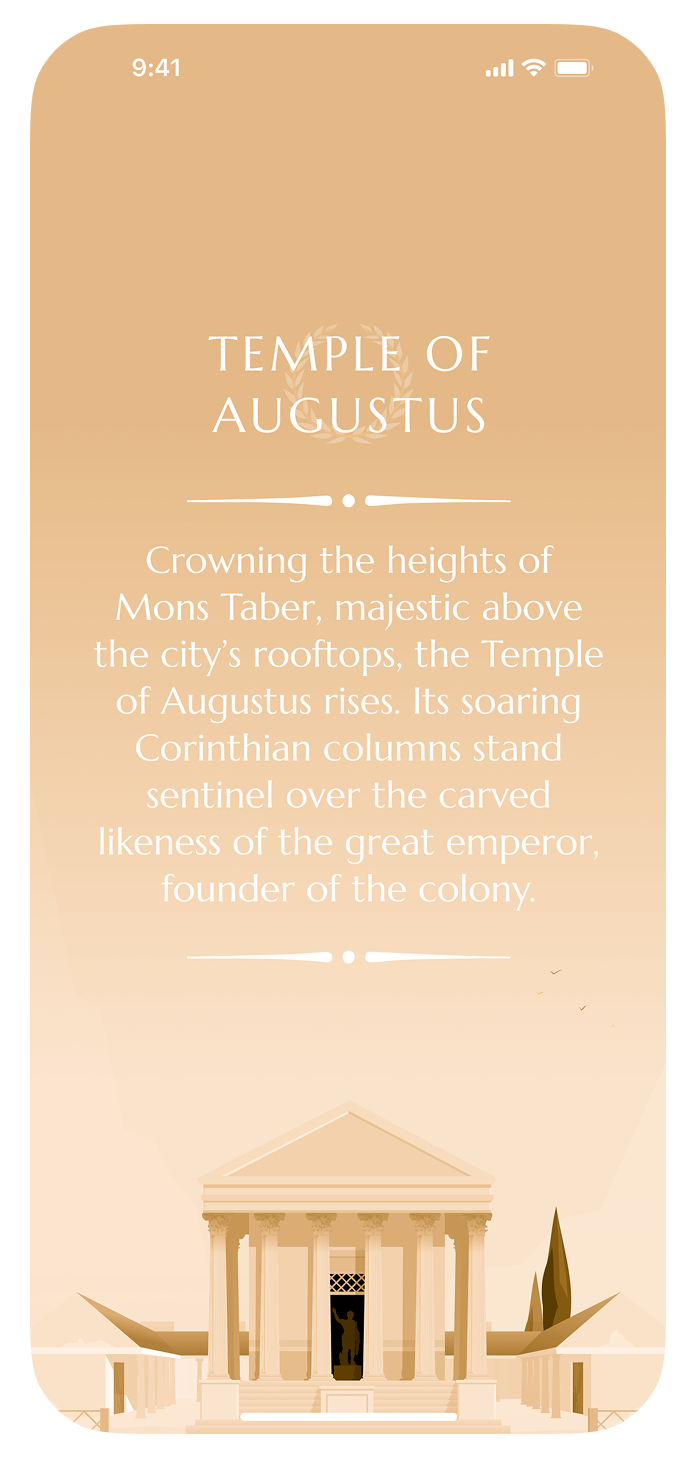
A Geo-Located Adventure Game in Roman Barcelona
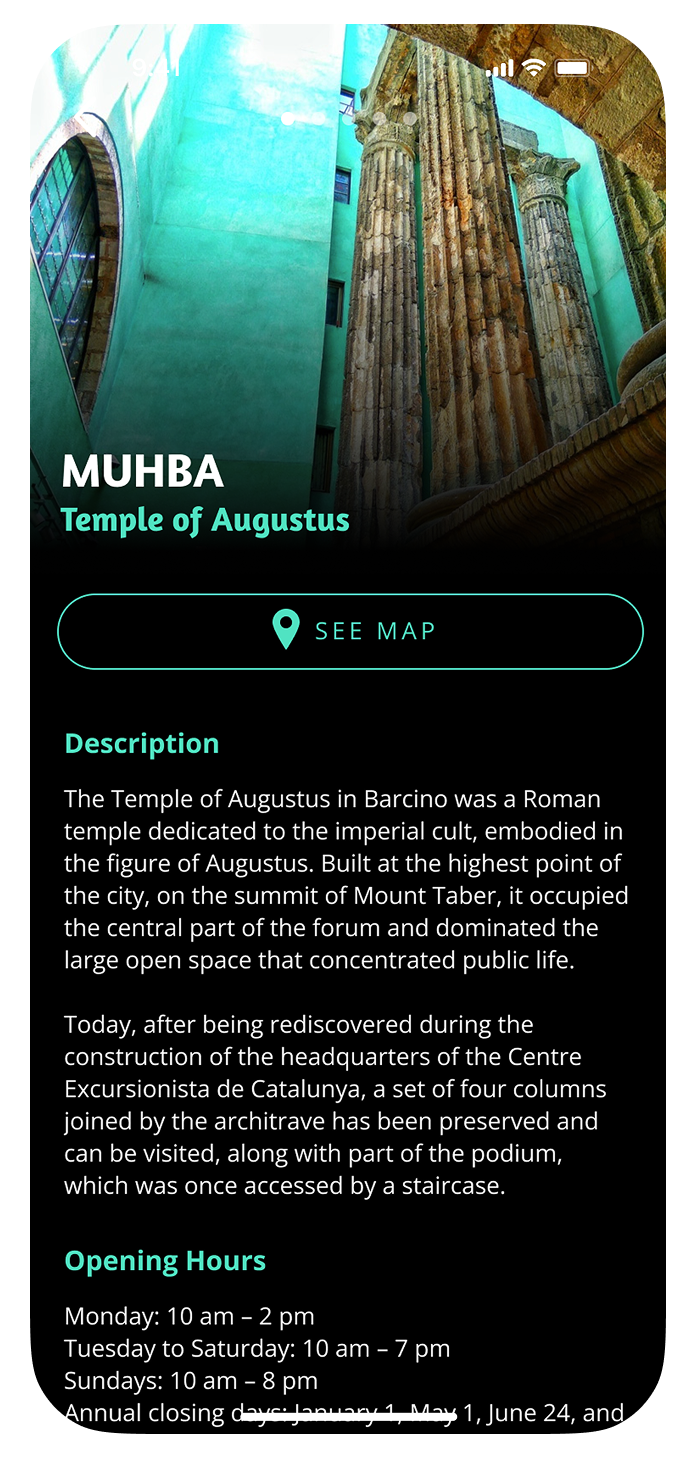
In The Secrets of Barcino, players—tourists or locals—embark on a unique, immersive adventure, discovering hidden historical sites while solving puzzles and uncovering the city’s rich past. To complete the game, they must navigate through several locations across Barcelona’s Gothic Quarter, each requiring a brief walk.
How the Experience Works
To follow the game’s route, players don’t rely on a traditional map. Instead, they navigate between locations using “magical” objects woven into the interface and story. For example, a mystical compass discovered at the first stop guides them through the narrow streets of the Gothic Quarter, blending real-world exploration with narrative immersion.
After completing the first challenge, players are introduced to a new magical item, the Compass of Neptune, which they must use to navigate between locations without a map.
Later in the game, another “magical” object challenges players to navigate under time pressure through the streets, following their position on a fictional map of Barcino aligned with modern-day Barcelona. As in a Roman-themed twist on the classic arcade game Pac-Man, players avoid guards, uncover hidden objects, and progress through locations tied to real landmarks.
By merging real-world exploration with storytelling and video game mechanics, the Gothic Quarter is transformed into a living game board—an environment where the streets of Barcelona’s old town, its history, and play converge to create an engaging and immersive experience.
Later in the game, players are introduced to another magical object, the Eye of Jupiter, which alters how they navigate between locations, adding new challenges and enhancing immersion.
My Role at Appventure Games
Running a Startup
At Appventure Games, I regularly took on multiple roles as a co-founder, often stepping beyond my comfort zone and learning new skills as we reached milestones and faced new challenges.
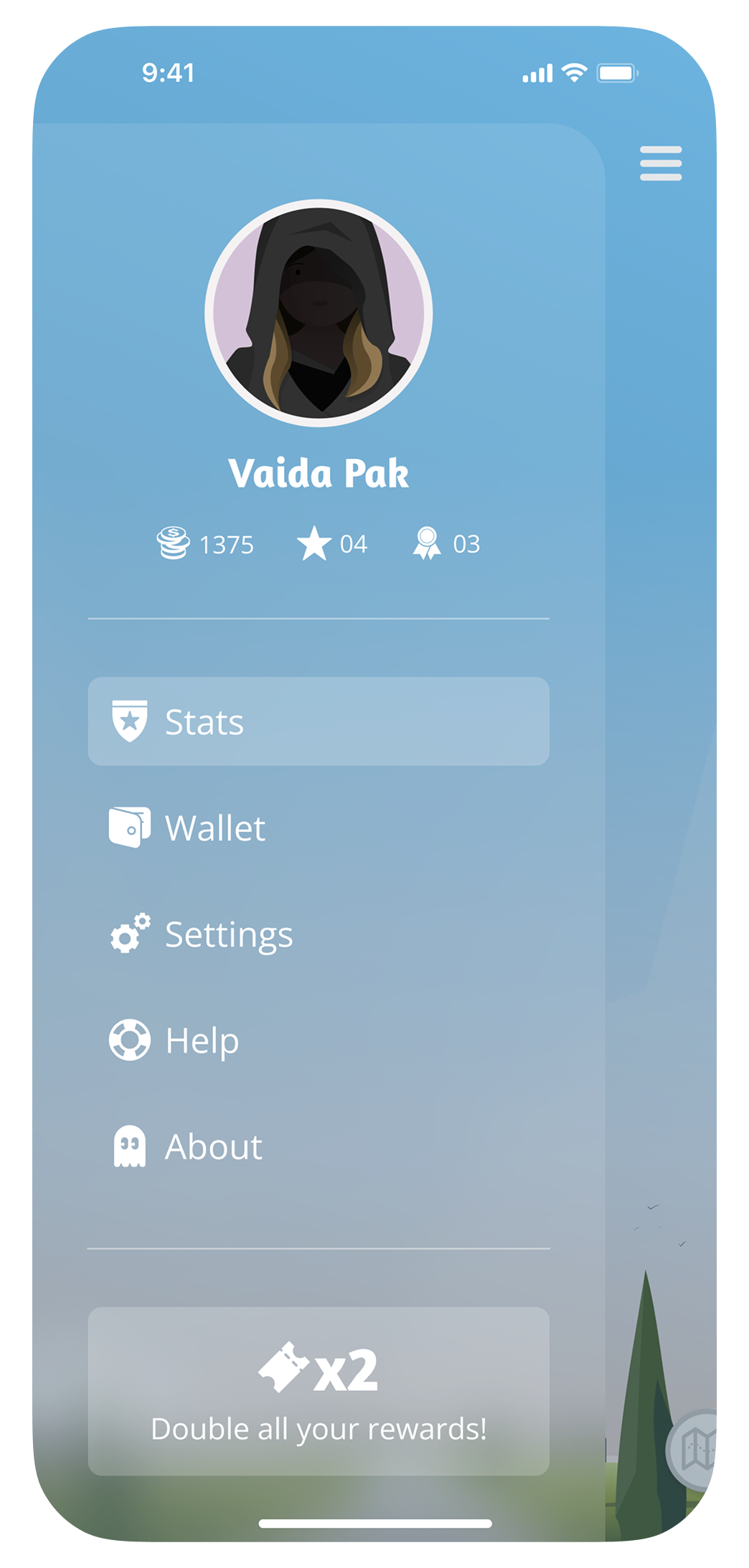
As the initiator of the project, I led Appventure Games throughout its entire journey, driving business and product strategy from day one—from defining and executing Business and Marketing Plans to Product Management, Design Lead, and Art Direction—while building and coordinating the team and representing the company to investors and at public events.
As we progressed and reached new stages, I continued expanding the team, onboarding up to four co-founders over time, each bringing key expertise and fresh energy. Together, we fostered a collaborative environment that enabled us to tackle strategic and creative challenges from multiple perspectives.
Blending Product and Game Design
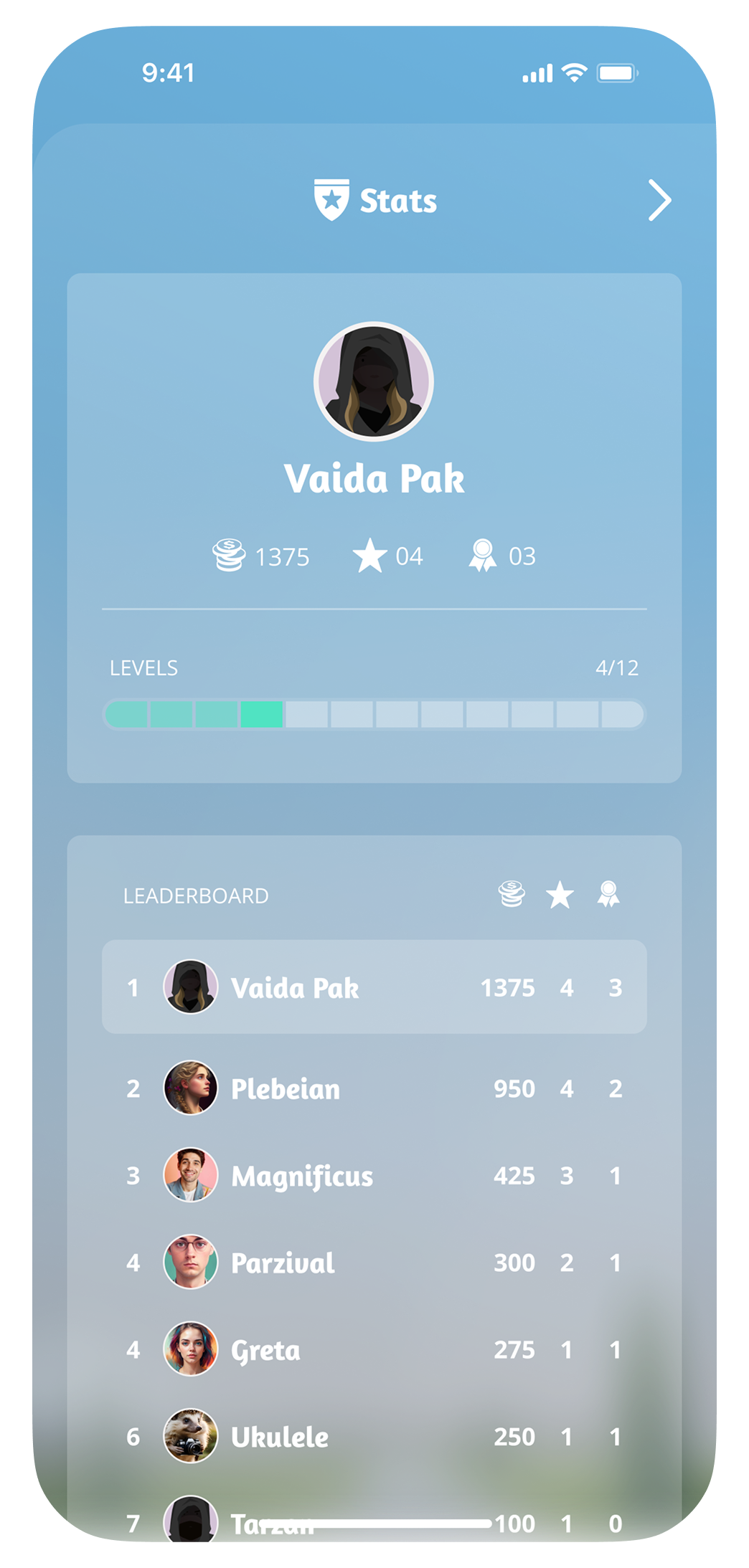
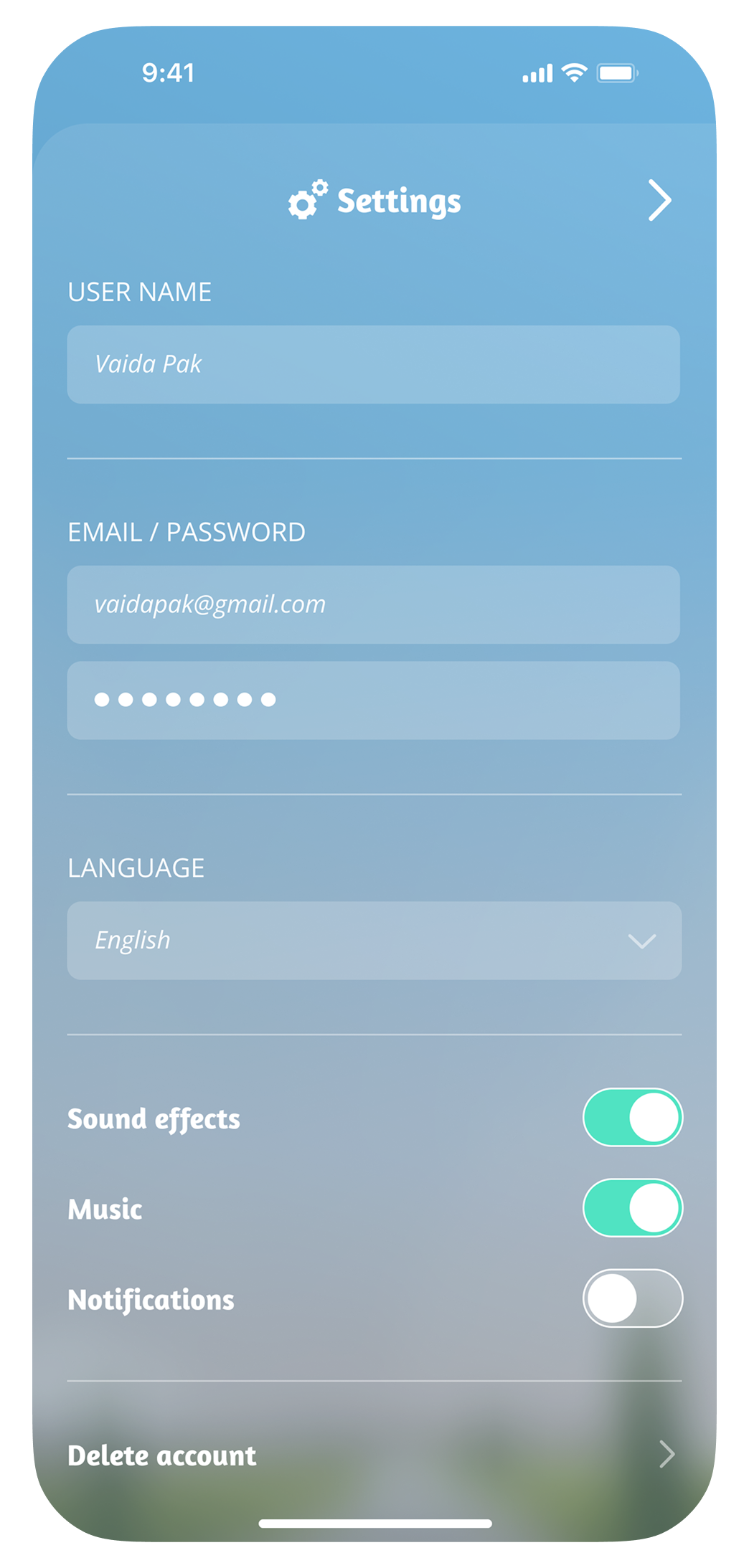
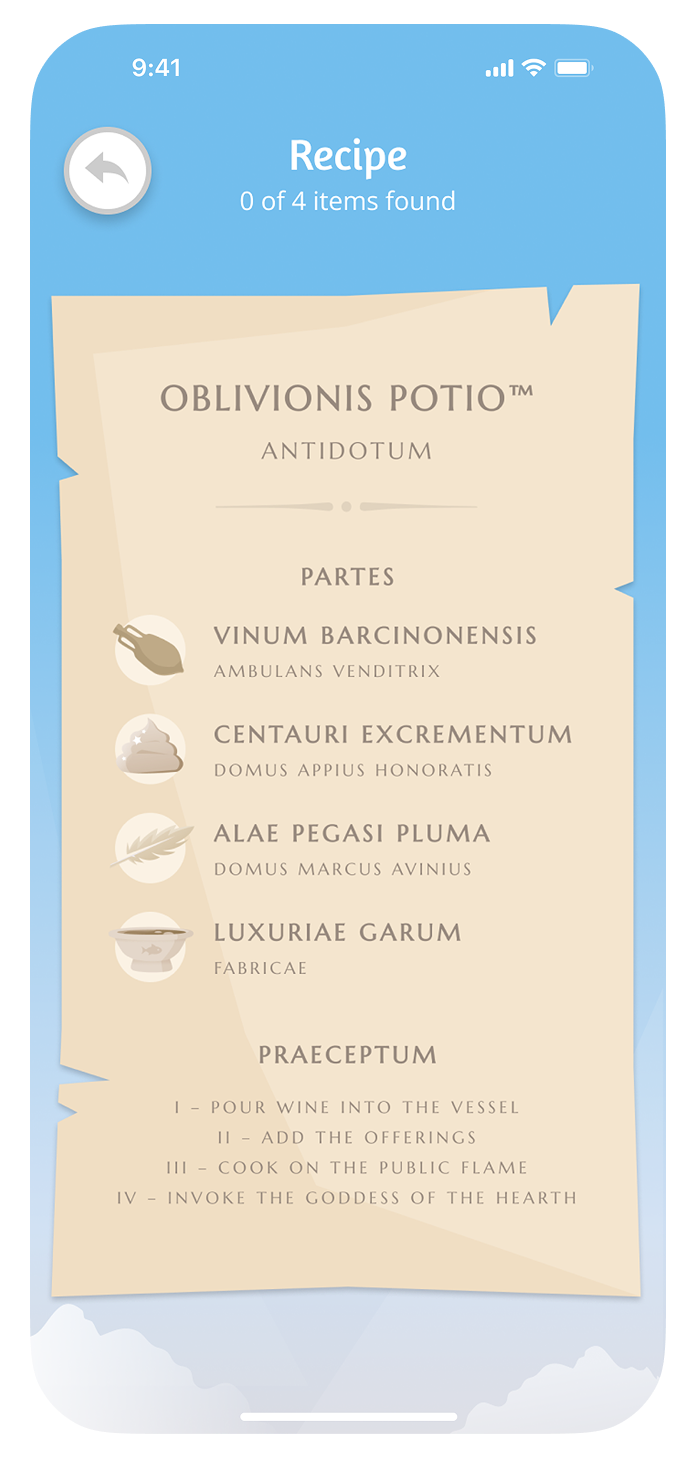
A key challenge was creating a hybrid experience merging digital and physical environments at a time when consumer geo-located experiences were still emerging. This required plenty of experimentation and trial and error to develop game mechanics and a navigation system that kept the experience engaging, immersive, and safe.
To support this, I conducted market and user research, validated assumptions through field testing, and continuously explored the emerging field of geo-located games. These insights informed design decisions and the overall product strategy.
Bringing Roman Barcelona to Life
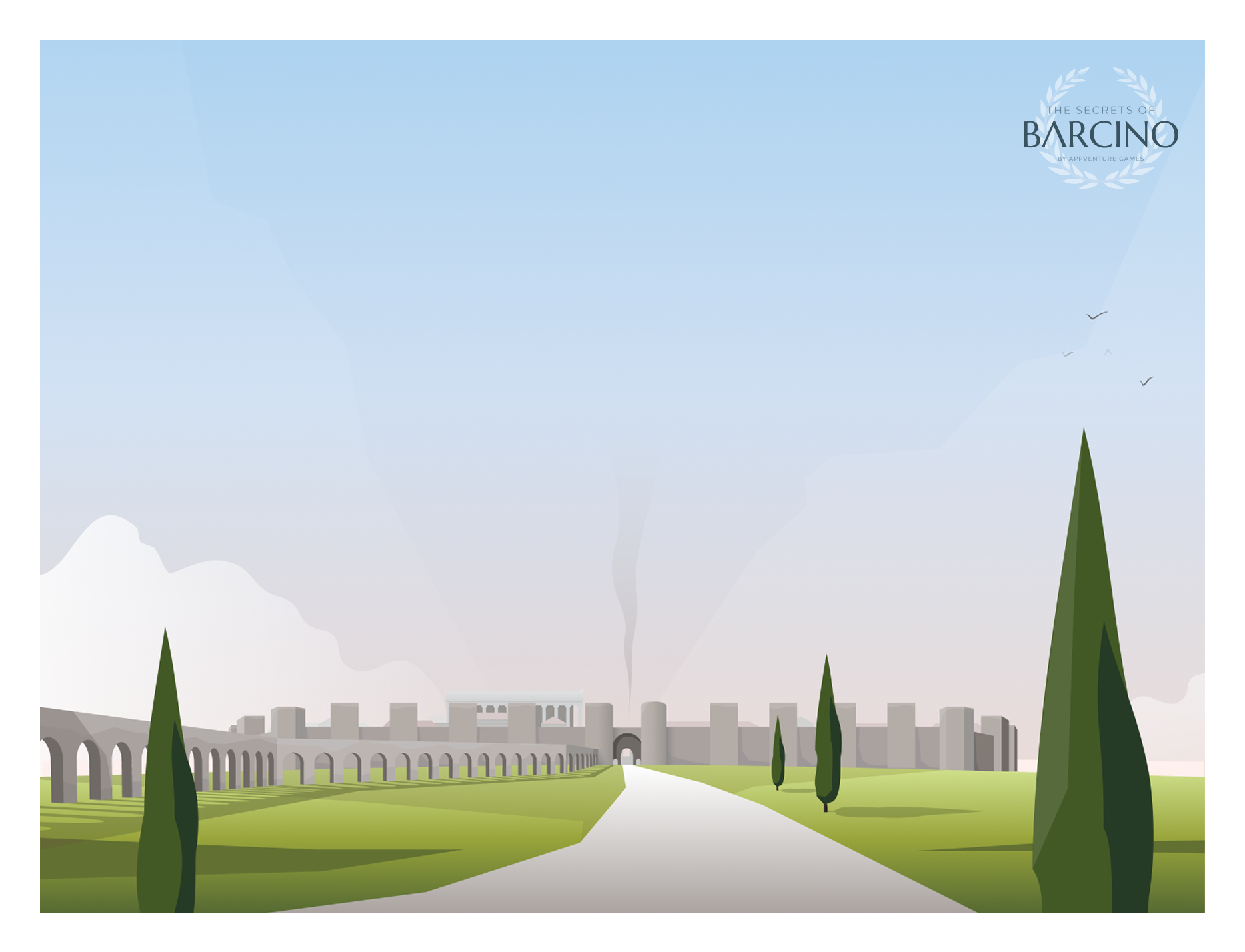
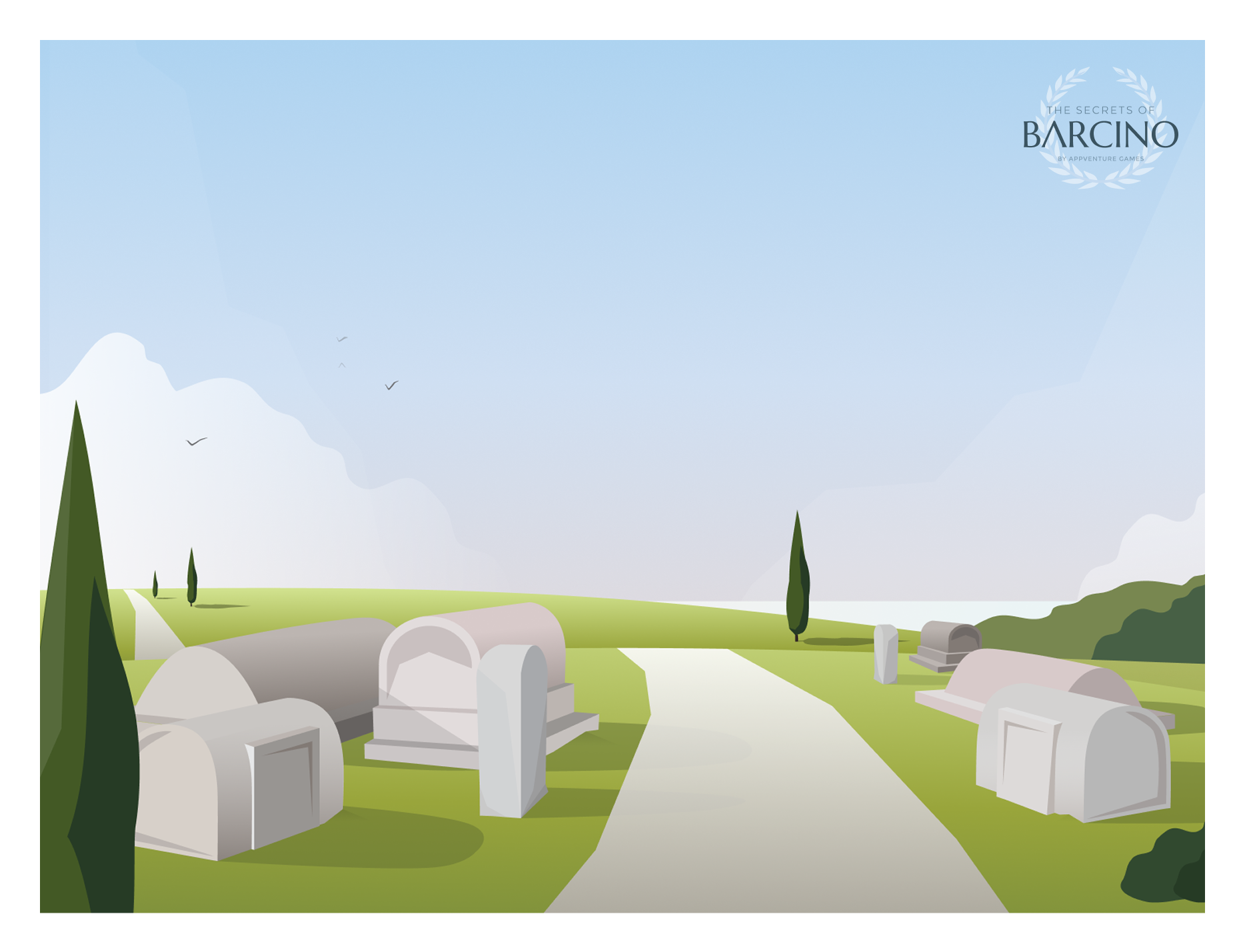
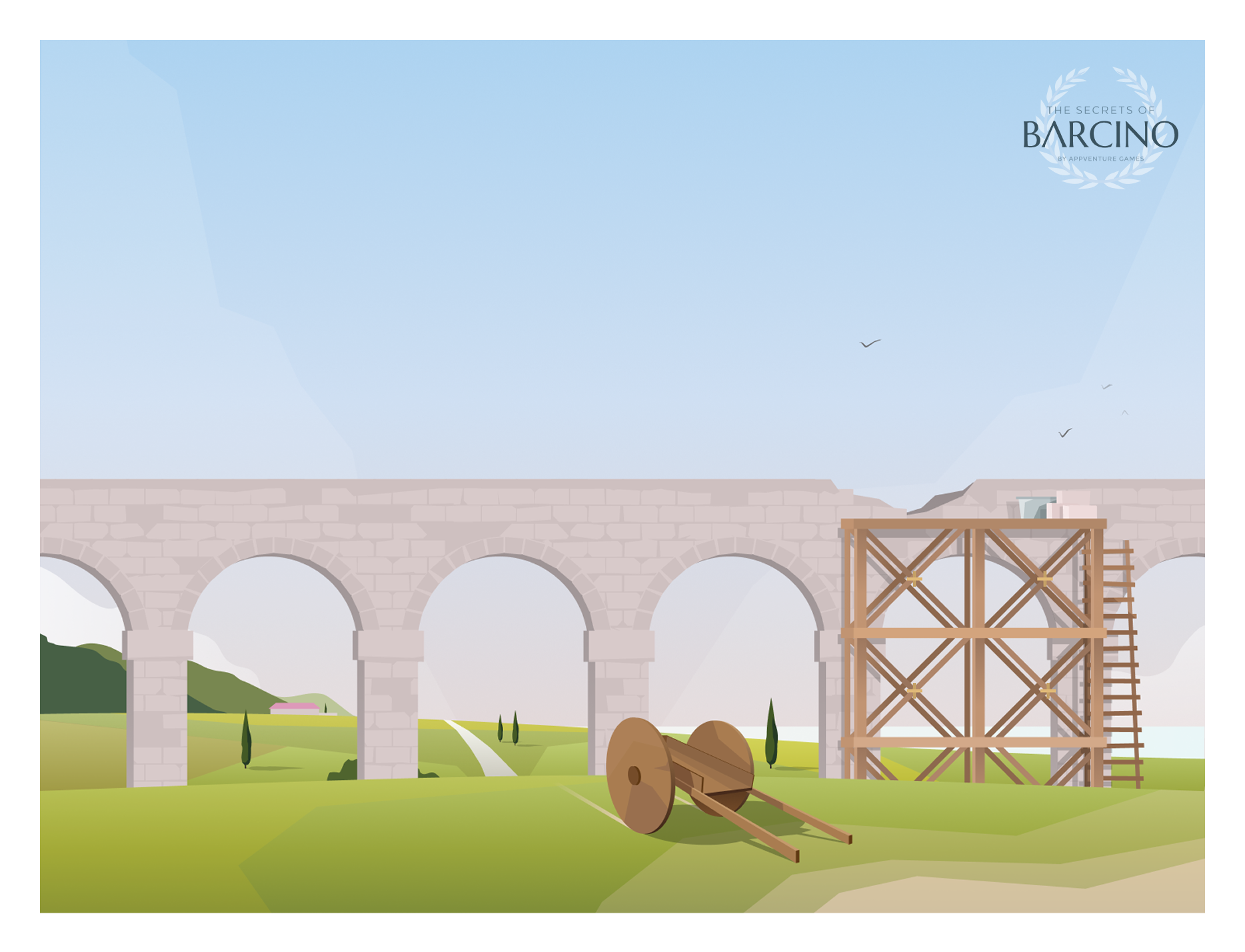
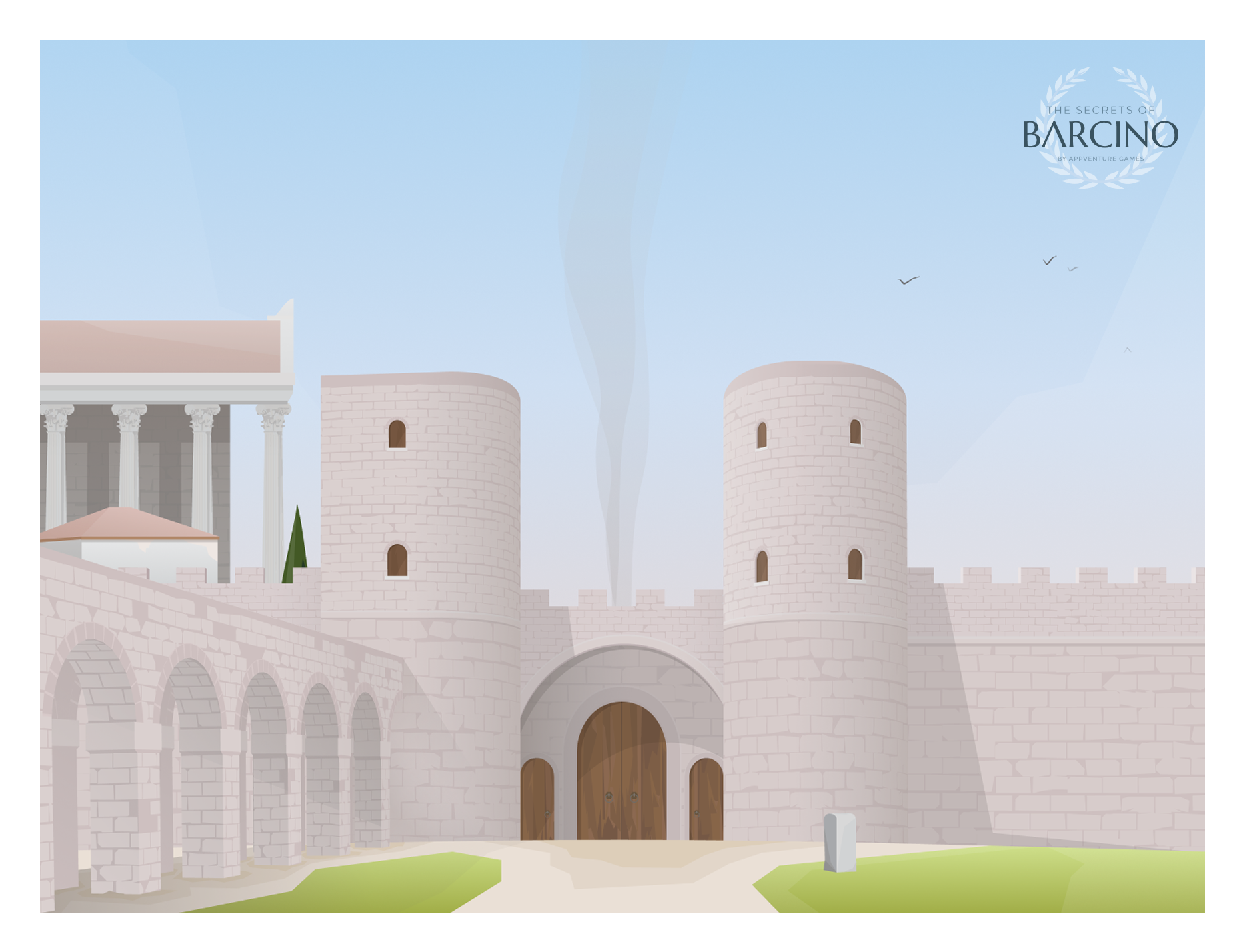
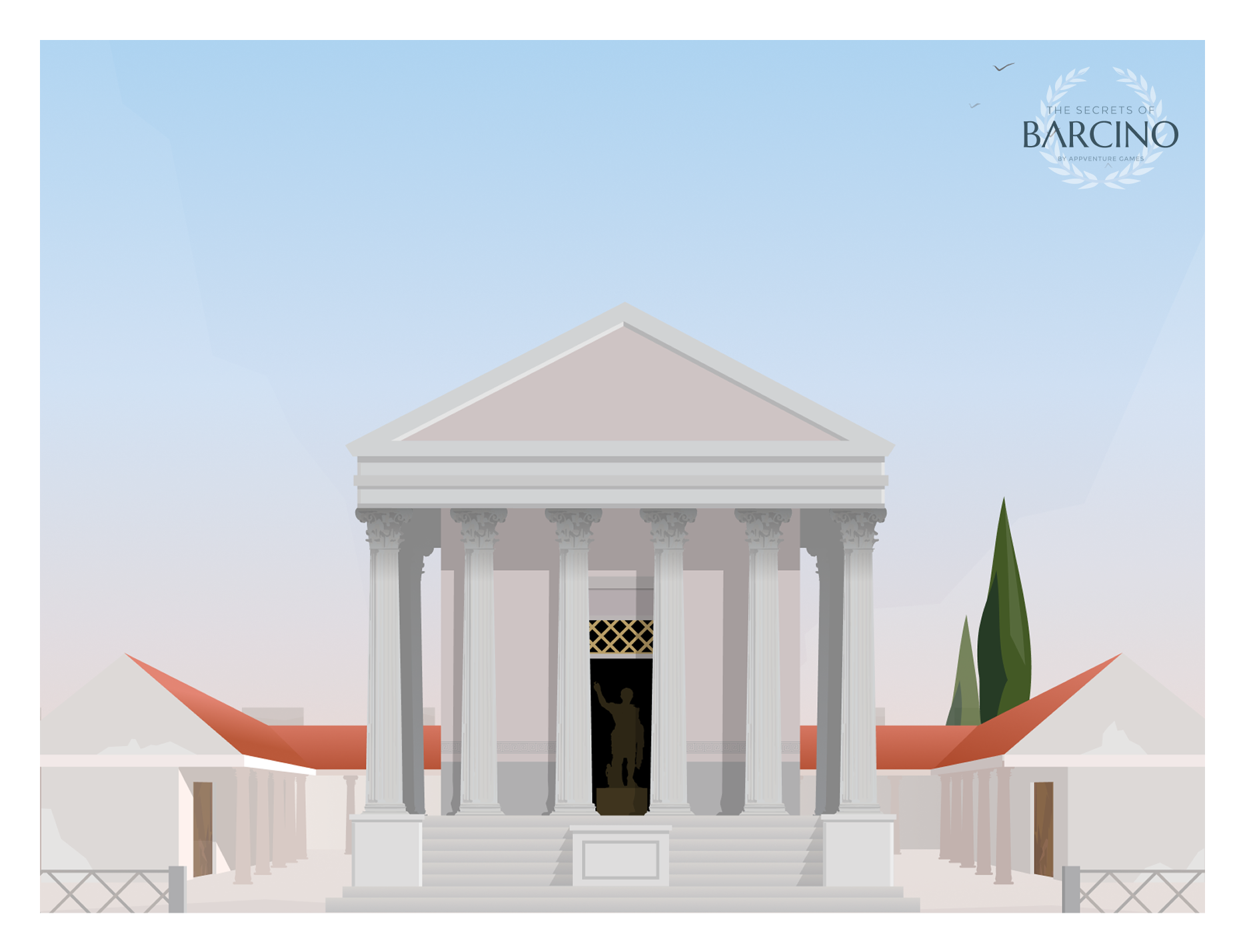
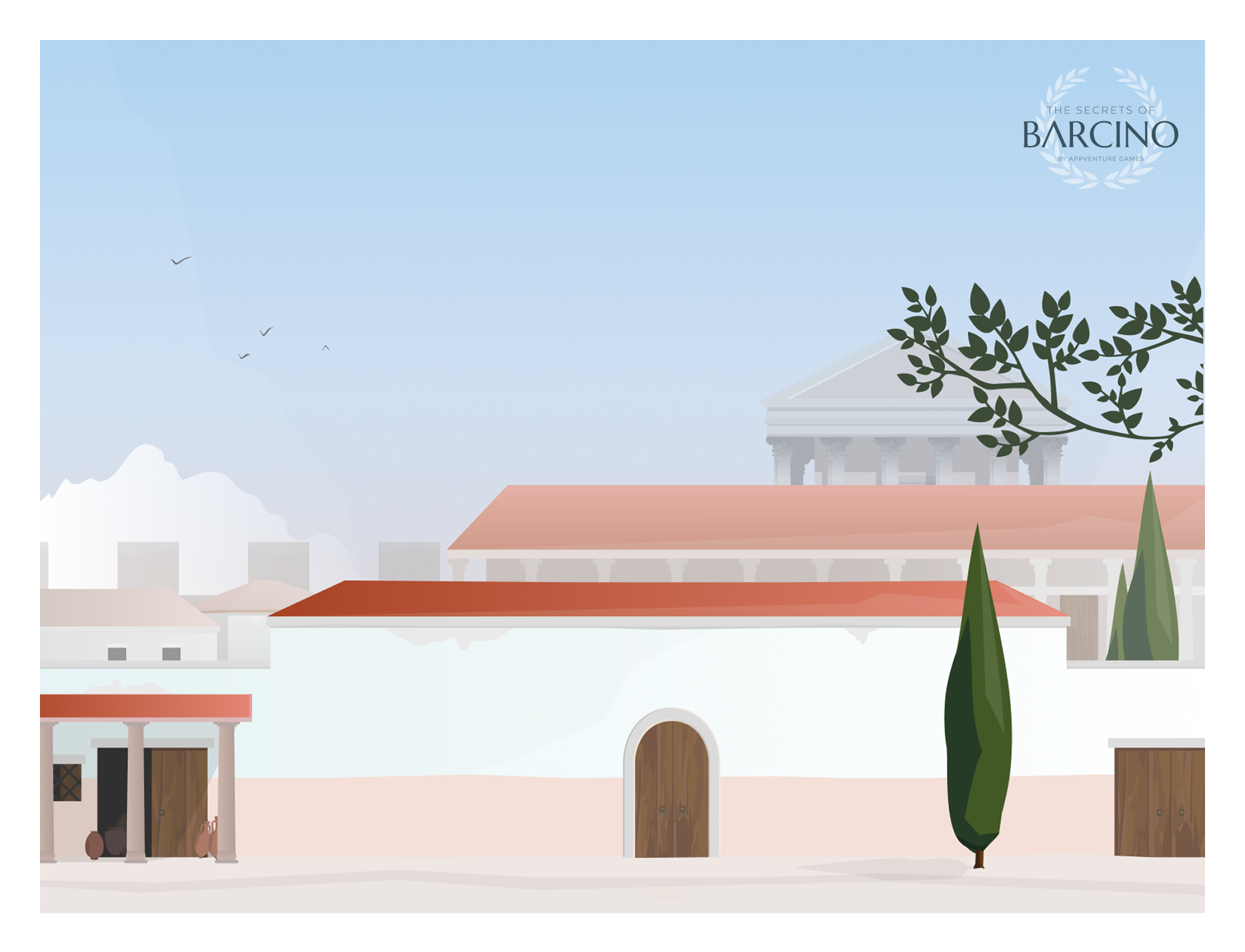
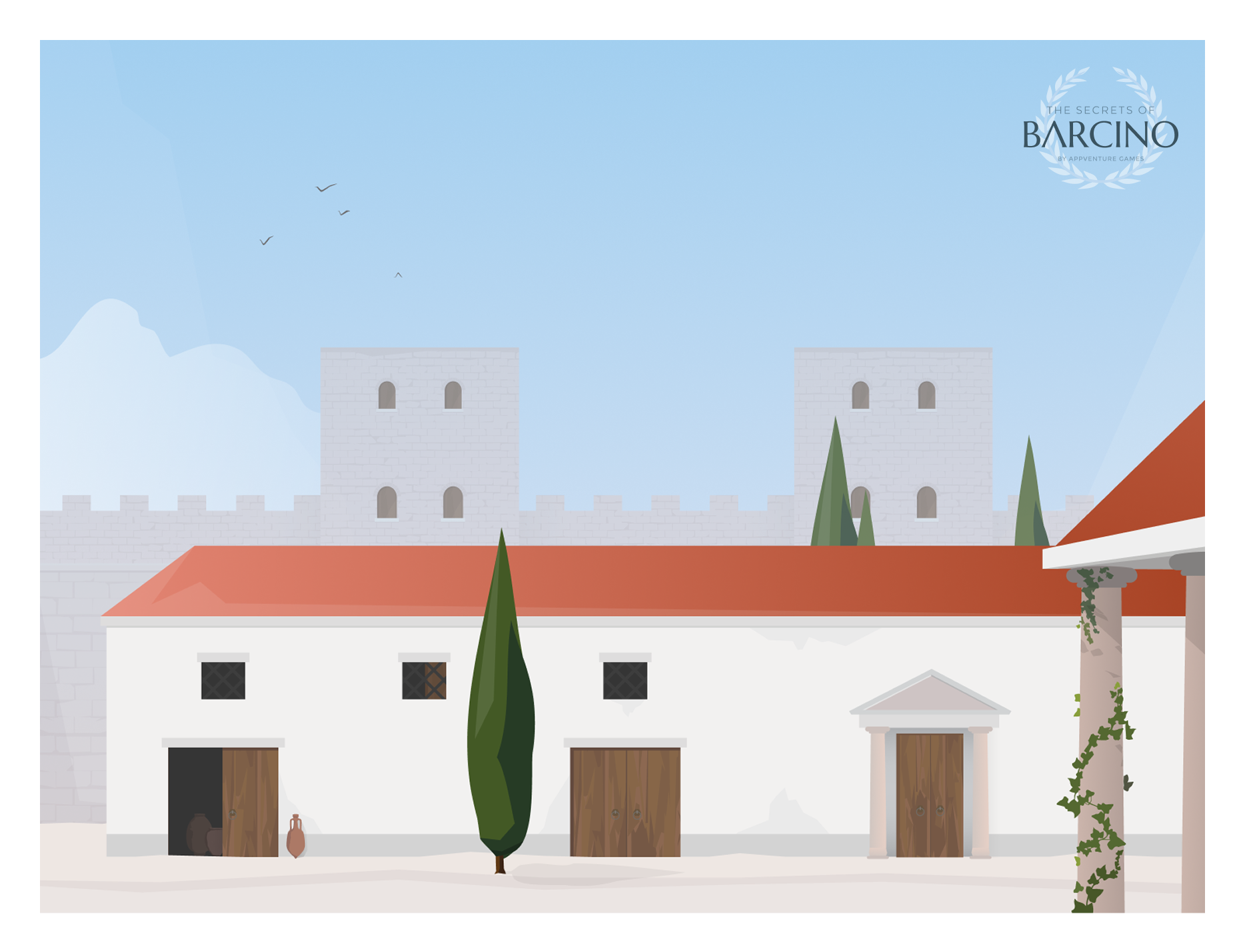
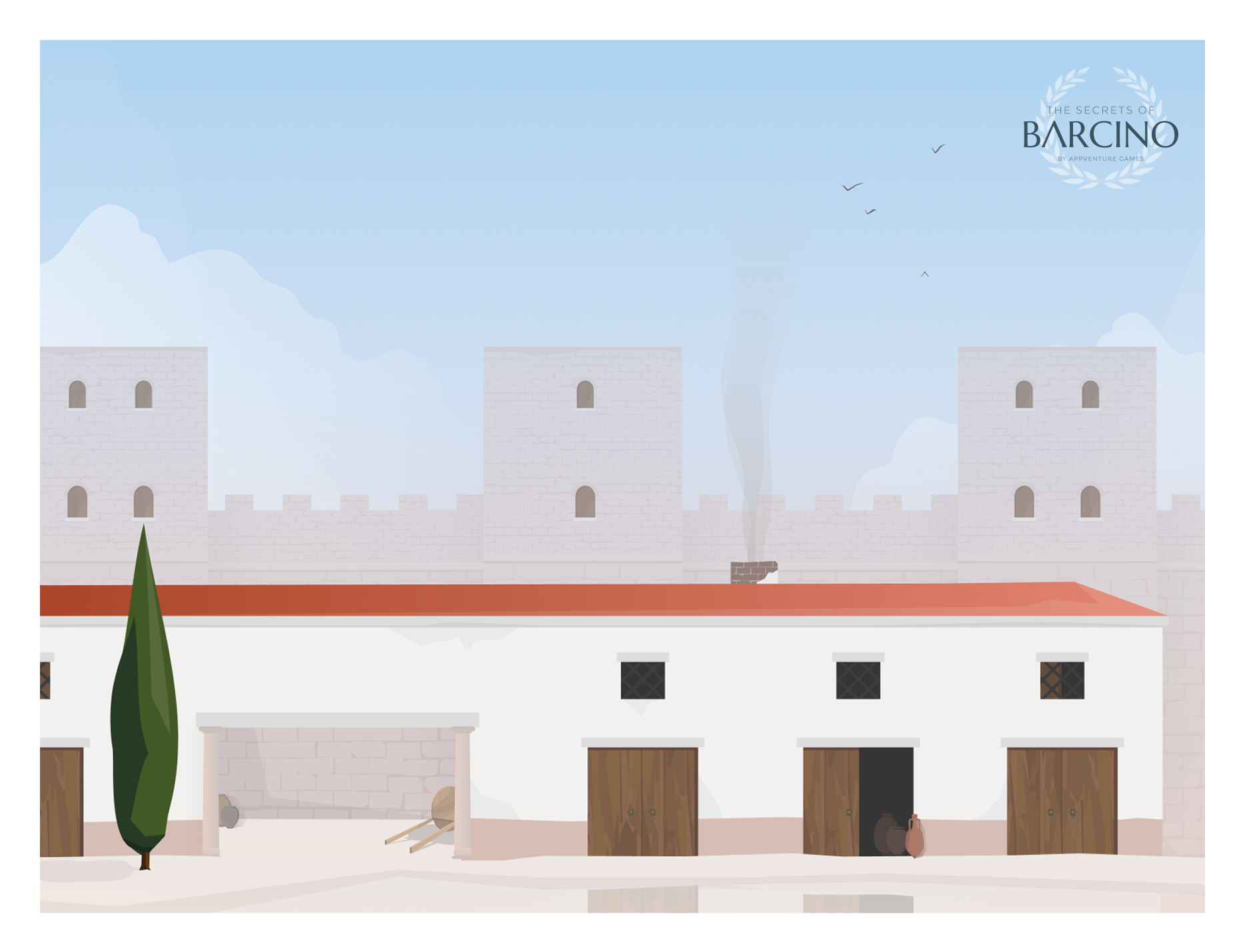
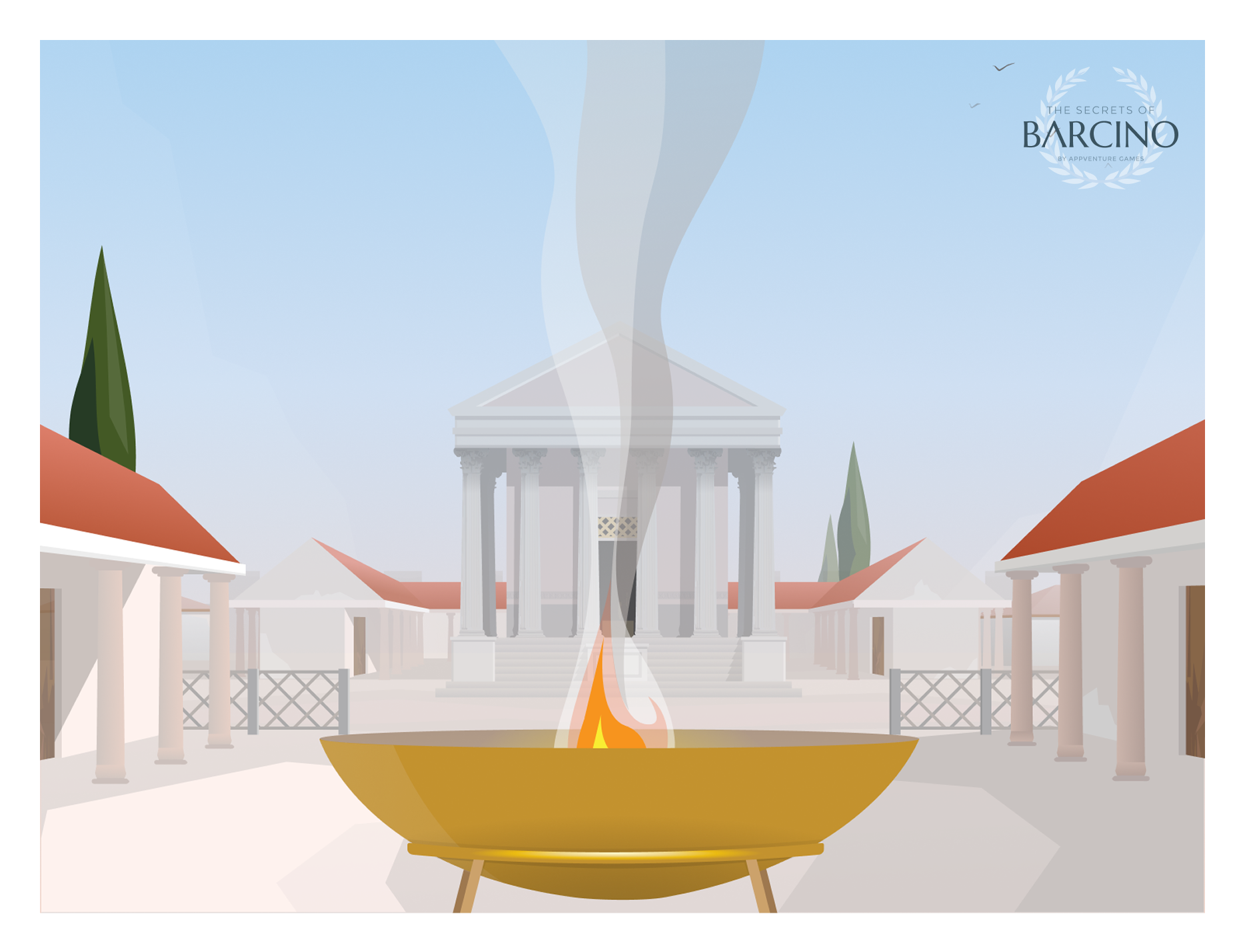
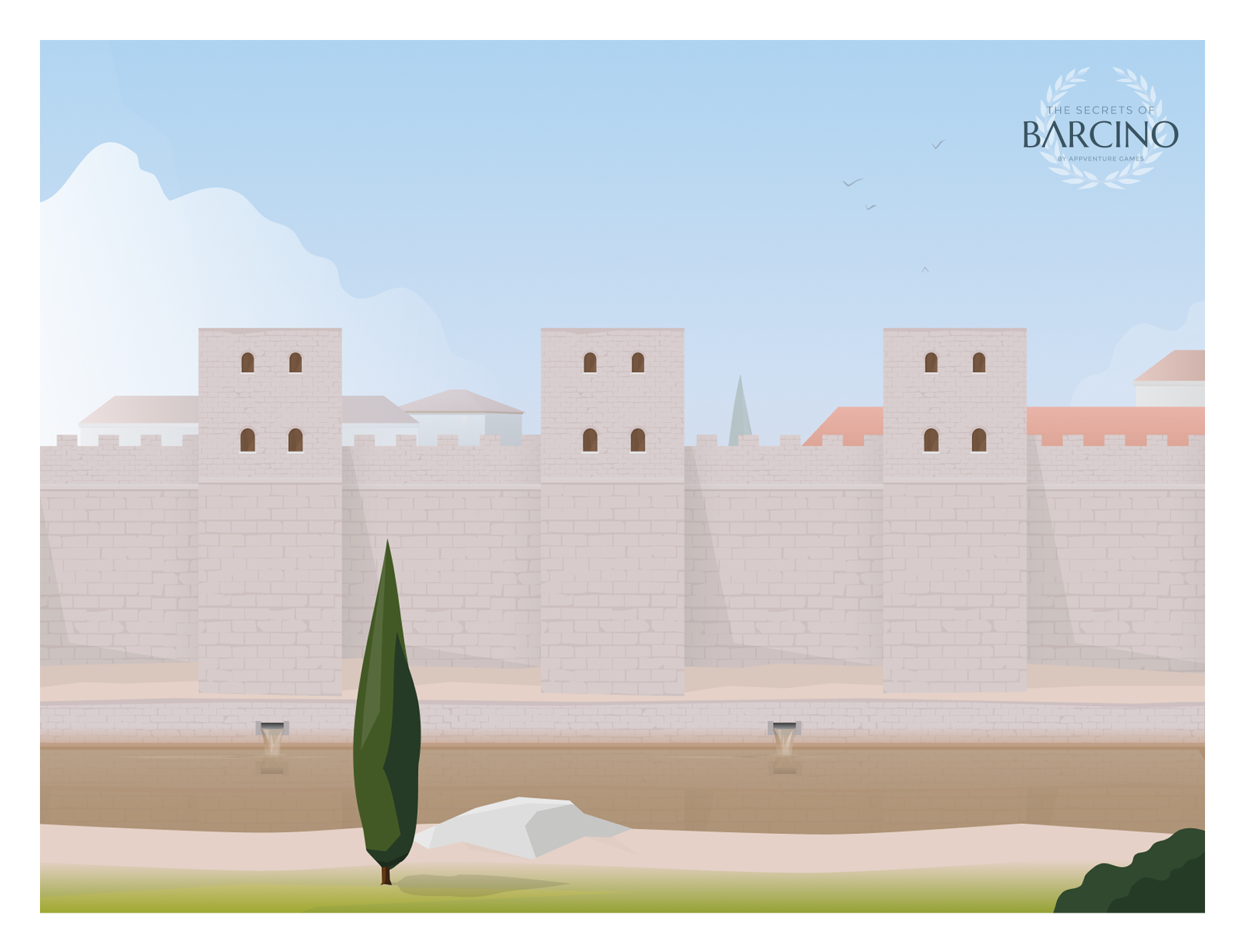
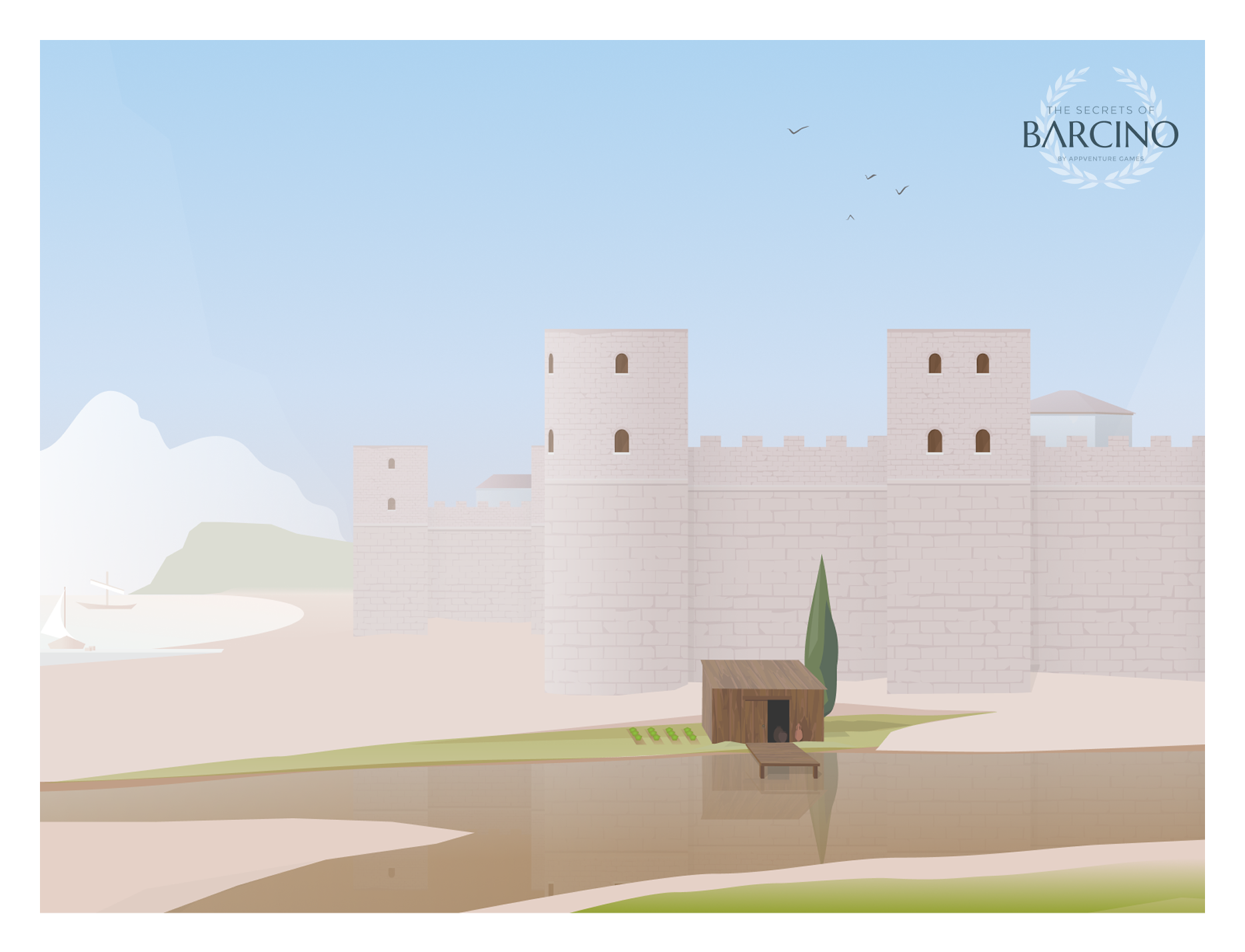
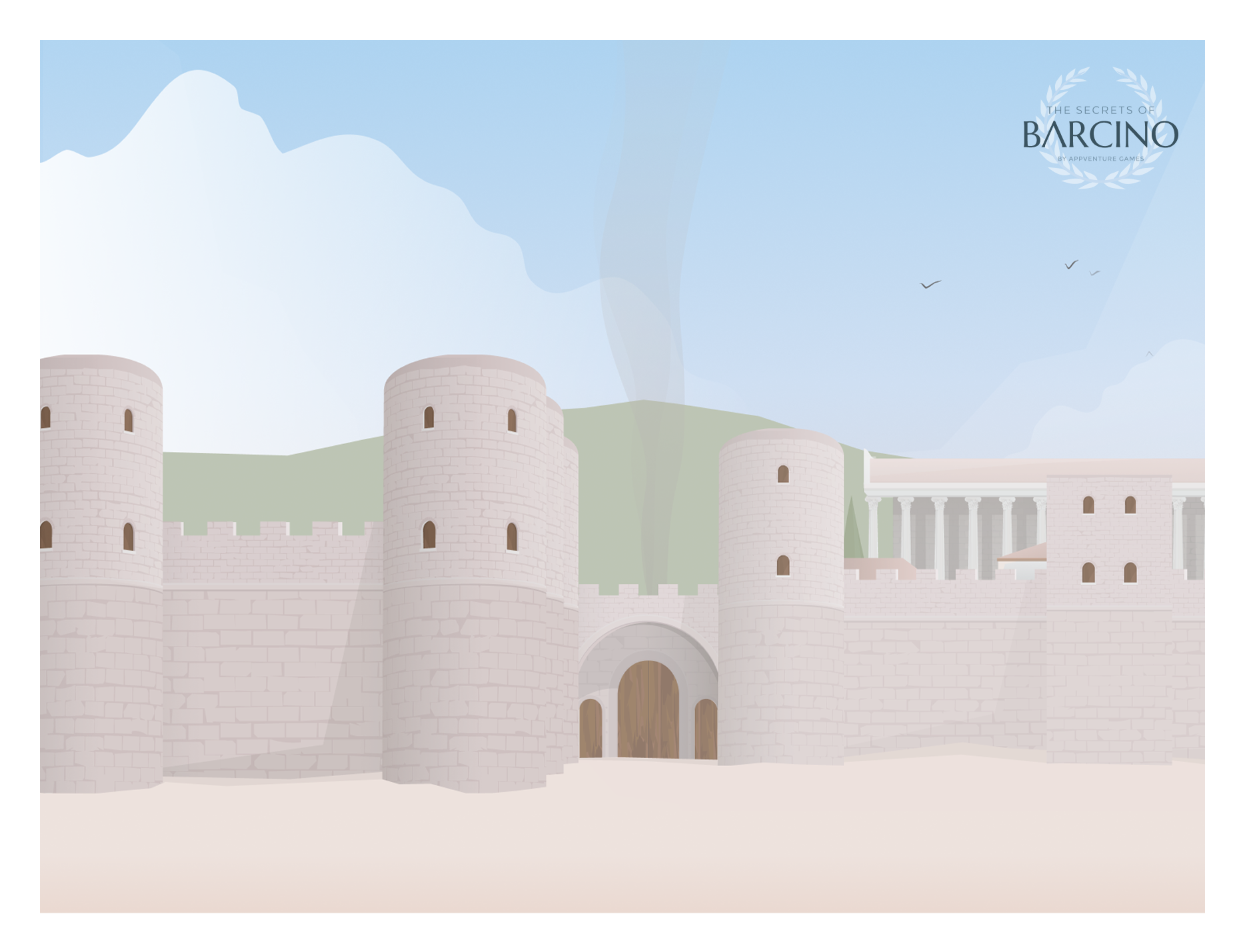
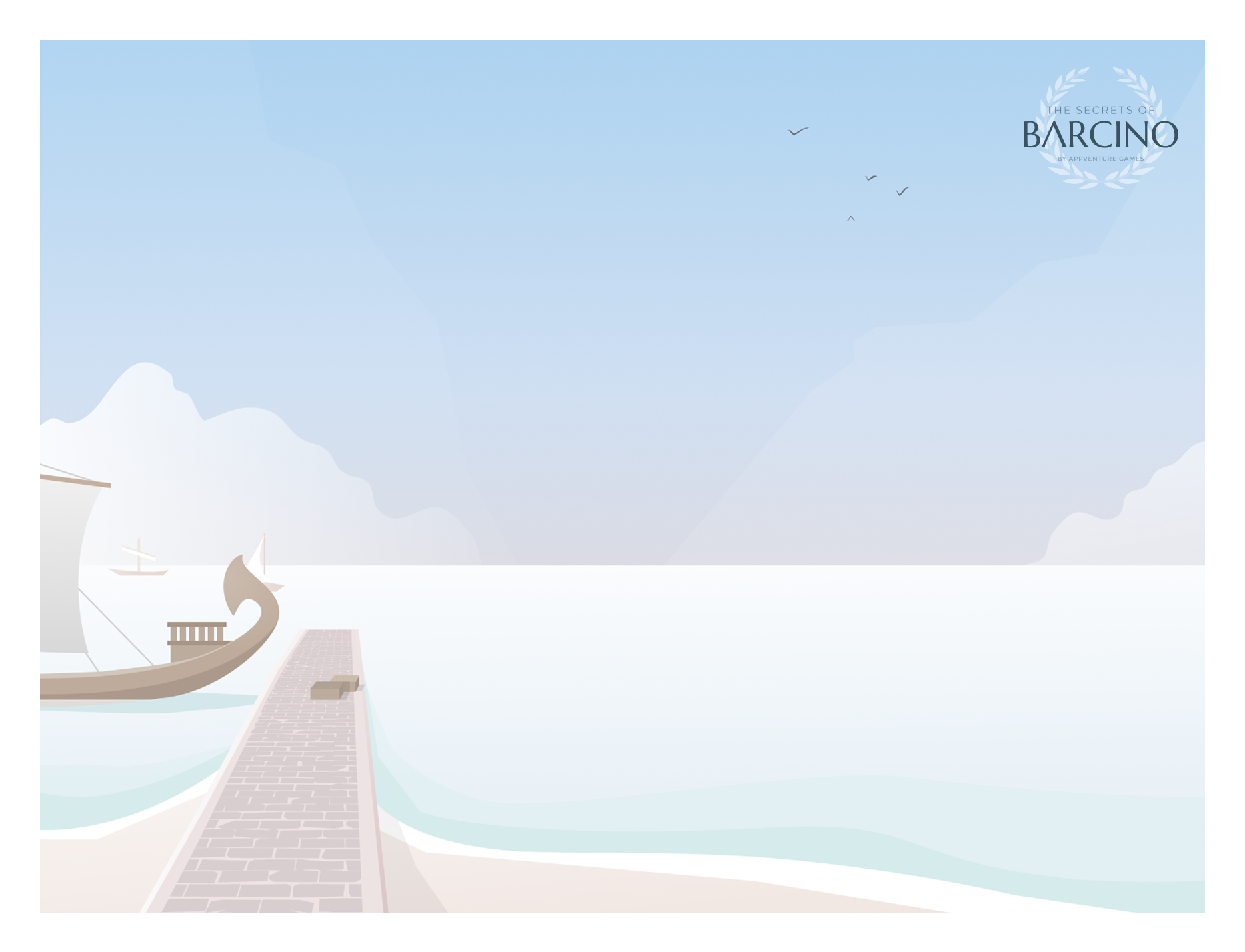
This involved producing original illustrations of backgrounds, characters, and objects, as well as composing the game’s sound and music. To achieve this, I conducted an in-depth study of available documentation and research on Barcino, aiming to recreate the historical scenarios as accurately as possible—even in cases where no visual references existed.
Post-launch Insights
Strenghts & Weaknesses
The unique concept of The Secrets of Barcino attracted attention from mainstream media in Barcelona during the first months after the release, with coverage on major outlets such as RAC1 (Catalonia’s leading radio station) and Betevé (Barcelona’s public television channel). However, despite consistently receiving positive feedback, the game only achieved modest traction.
Beyond the progress achieved in validating the overall gameplay experience, technical limitations of mobile devices at the time forced us to narrow our target audience considerably. Performance issues — particularly GPS inaccuracy and high battery consumption — meant the game was stable only on the most modern devices.
These constraints, combined with a slow activation rate due to the game being playable only on-site in Barcelona’s Gothic Quarter, which required planning, commuting, and a considerable amount of free time to play the game, narrowed down an already limited target audience, hindering rapid growth and making it difficult to gain the traction needed to scale the product and sustain Appventure Games in the short to mid term. Despite these constraints, the game remained available to the public until 2020, when it was withdrawn from the market with the onset of the COVID-19 pandemic.
The Secrets of Barcino featured on Betevé, Barcelona’s public TV.
Case Study
Location-Based Navigation Design
This case study examines the design process of a navigation system tailored for a hybrid experience, where digital interfaces intersect with real-world exploration.